Tile Flooring
Installation Clearwater, FL

Porcelain and ceramic tile installed by our own crew about 25–30 minutes from Holiday — genuinely waterproof, and built for Clearwater's condos, entryways, and coastal humidity.

55+
Years Installing Floors
500+
Tile Styles In-Store
14k
Sq Ft Showroom
3rd
Generation Family Business
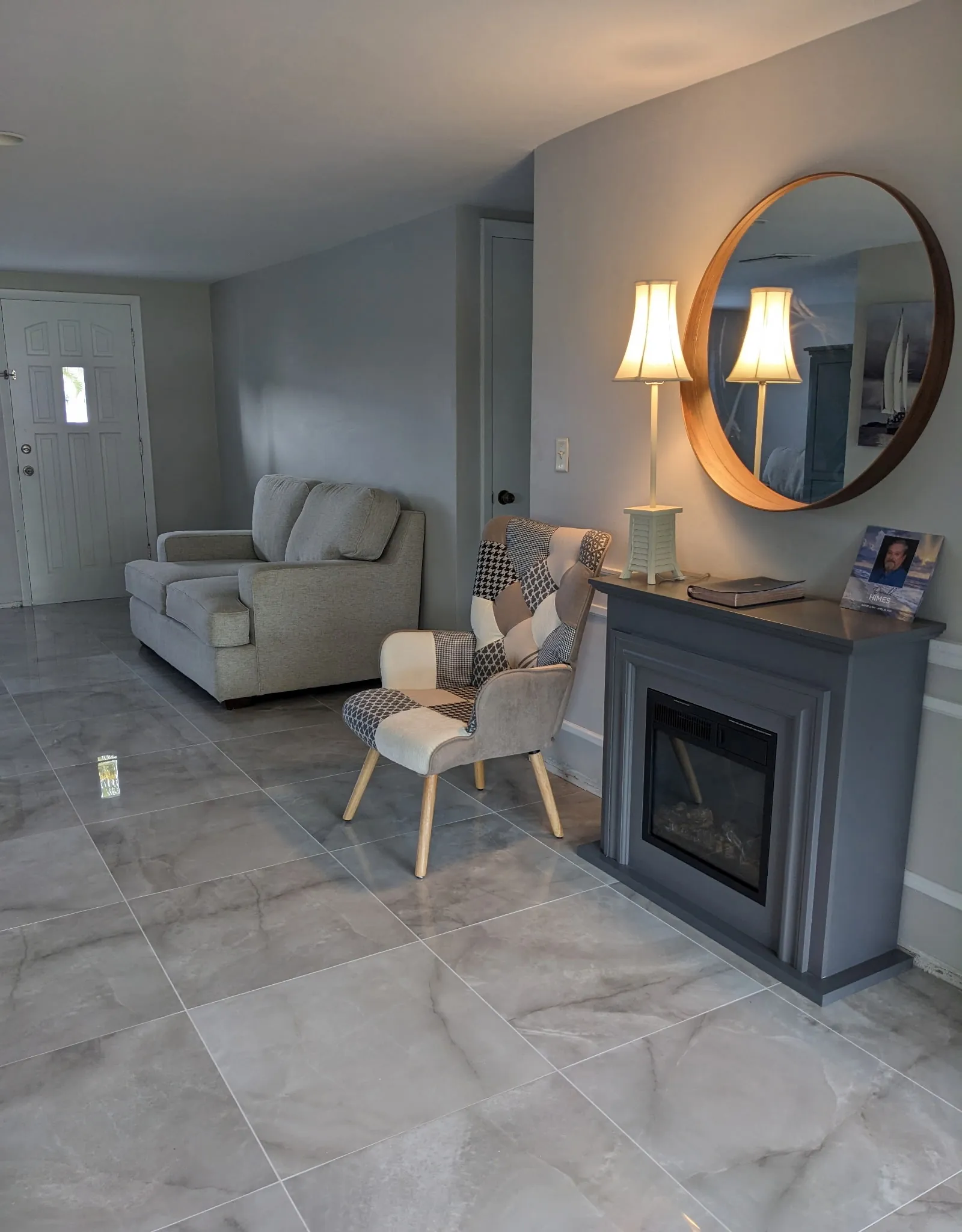
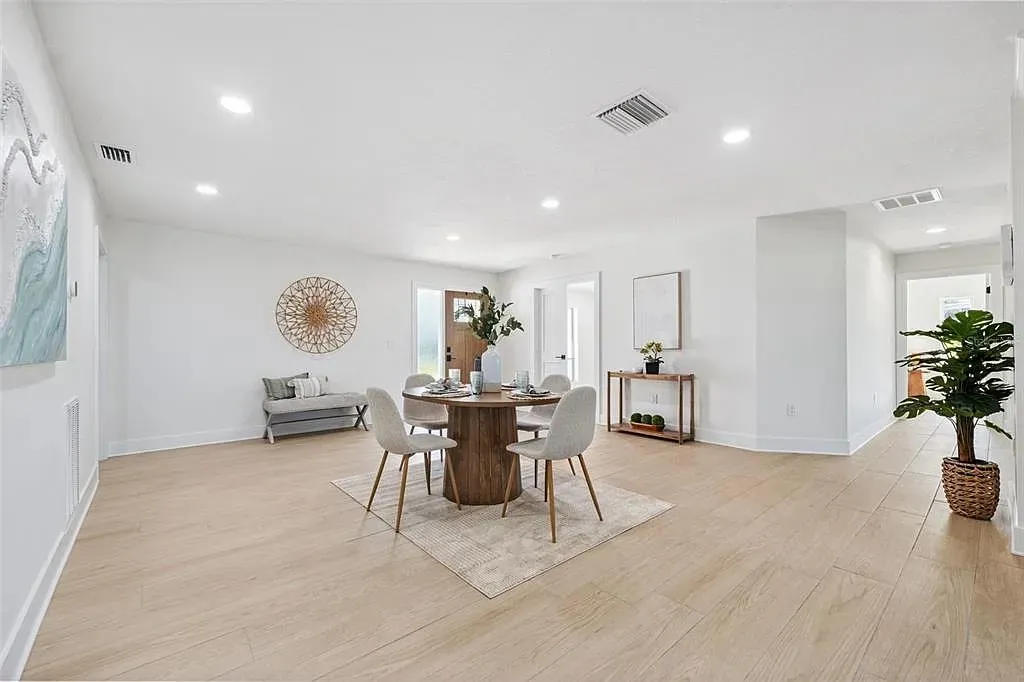
Stone-look porcelain tile living room with fireplace — tile flooring near Clearwater, FL
Porcelain & Ceramic Tile

The One Truly Waterproof Floor — And Where Clearwater Needs It Most

Tile is the one flooring material we can honestly call fully waterproof. Properly installed and grouted porcelain or ceramic tile is inherently impervious to water — no seams that let moisture through, no core that swells. That matters in a city like Clearwater, where entryways track in rain and beach sand, condo lanais see wind-driven moisture, and kitchens and bathrooms need a floor that can take standing water without a second thought.

The trade-off is real, and we won't pretend otherwise: tile is hard and cool underfoot, it's more labor-intensive to install than a floating floor, and grout lines need periodic sealing to stay looking their best. For Clearwater's entryways, laundry areas, and condo bathrooms, most homeowners decide that trade-off is worth it. We'll walk you through where it makes sense in your specific layout and where a different material might serve you better.

See Our Work →
Why Tile

What Makes It the Right Choice for Clearwater Homes

💧

Fully Waterproof

Rain off the Gulf, pool splash-out near a lanai, and sandy wet feet from Clearwater Beach are a daily reality for entryways and condo balconies — properly installed and grouted tile handles all of it without any risk of water reaching a subfloor.

🏋️

Extremely Durable

Whether it's a high-traffic condo entry near Island Estates or a busy family household off Belcher Road, porcelain tile shrugs off daily foot traffic, rolling luggage, and beach gear better than almost anything else we install.

🧊

Cool Underfoot

In a Clearwater summer, a tile floor stays noticeably cooler than LVP or hardwood — a real comfort factor in condos with west-facing units that pick up afternoon sun through the windows.

🧼

Easiest to Clean

Sand, salt residue, and sunscreen tracked in from the beach wipe right off a tile floor — a practical advantage for both full-time Clearwater households and part-time condo owners who don't want to fight stains between visits.

📐

Large-Format Options

Large-format porcelain with minimal grout lines has become the go-to look in both newer Countryside construction and condo renovations near the beach, where fewer seams make a smaller floor plan read larger.

💰

Free In-Home Estimates

We measure every Clearwater tile project in person and check subfloor type — concrete deck, slab, or older wood subfloor — before recommending a product or format.

The Clearwater Factor

Tile Across Condos, Concrete Decks, and Older Wood Subfloors

Clearwater's housing mix — beachside condos, single-family homes through Countryside and Skycrest, and a scattering of commercial spaces near downtown — means tile subfloor prep varies more here than almost anywhere else we work. Getting the substrate right up front is what makes a tile floor last decades instead of cracking within a few years.

Condo and high-rise units sit on a poured concrete deck, which is generally an excellent tile substrate once we've confirmed it's flat and checked whether your association requires a sound-rated underlayment beneath hard-surface flooring. Single-family slab homes across zip codes like 33759 and 33763 are usually the most straightforward tile installs we do. Older homes near downtown with original wood subfloors need the most prep — typically cement board or a similar underlayment — before tile can be set safely.

  • Concrete condo decks generally make an excellent tile substrate once confirmed flat
  • HOA sound-rated underlayment requirements checked before any condo tile install
  • Single-family slab homes across Clearwater are typically the simplest tile prep
  • Older downtown-area wood subfloors need cement board reinforcement before tile
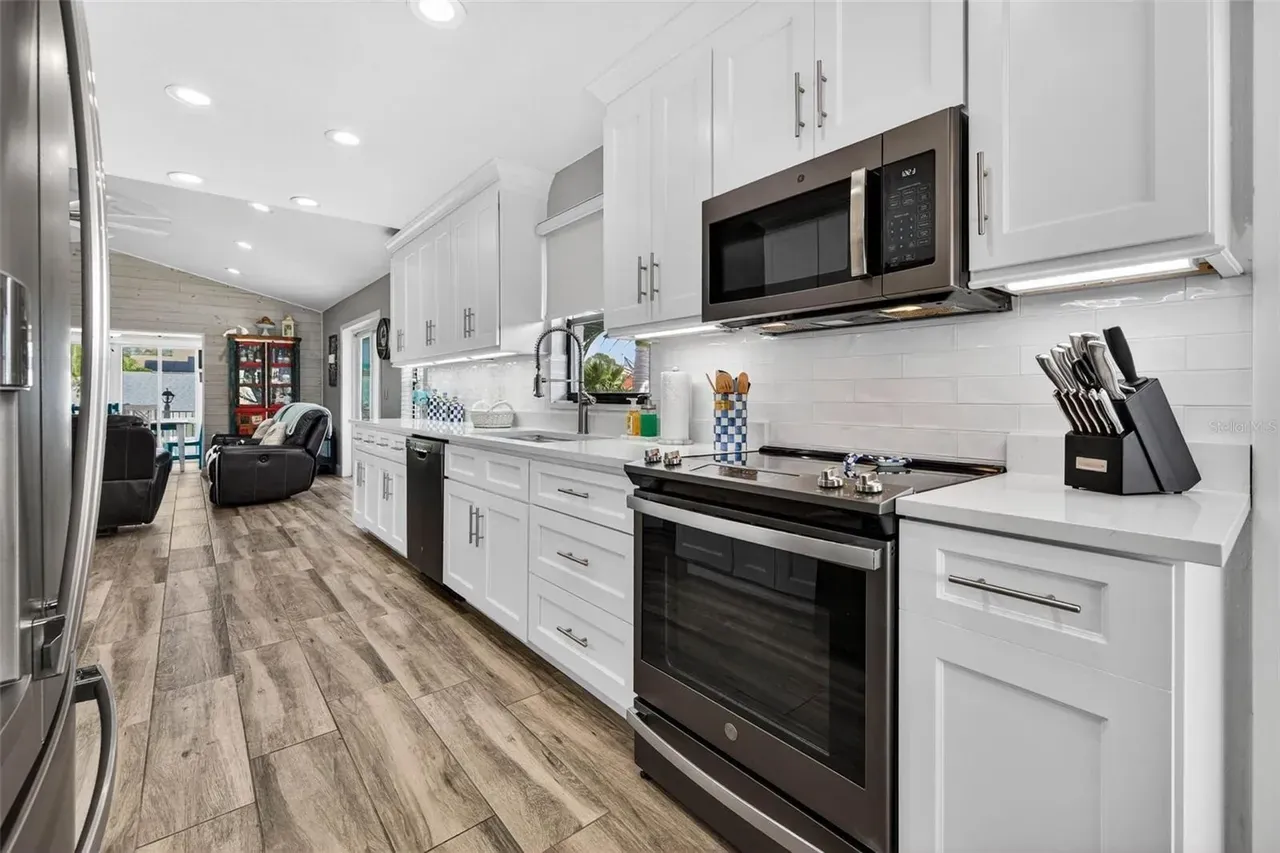
Tile flooring project near Clearwater, FL
Honest Comparison

Tile vs. Other Flooring Types

Because the right product depends on your home, not our margins.

FactorTileHardwoodLaminateLVP
Water ResistanceYes — inherently waterproofNo — damages with moistureNo — water can swell coreHighly Resistant
Florida HumidityExcellentChallenging — cupping riskFair — better than hardwoodExcellent — no reaction
Free EstimatesYes — in-homeYes — in-homeYes — in-homeYes — in-home
RefinishableN/A — regrout onlyYes — multiple timesNoNo — replace planks
Comfort UnderfootHard, cool — nice in summerExcellent — solid warmthGoodGood — warm, slightly soft
MaintenanceGrout sealing requiredRegular refinishing cycleSweep and mopSweep and mop
Lifespan50+ years50–100+ yrs w/ refinishing15–25 years20–30 years
Best RoomsWet areas, high-trafficDry, climate-controlled roomsDry living areasAny room — whole home
Service Area

Tile Installation Across Tampa Bay

We install throughout Pasco, Pinellas, Hernando, and Hillsborough counties. Free in-home measurements — no travel fees.

Common Questions

Tile Flooring FAQs — Clearwater, FL

Is tile really waterproof, or just water-resistant like LVP?
Properly installed and grouted porcelain or ceramic tile is genuinely, fully waterproof — the tile body itself is impervious to water. That's different from LVP, which is only highly water-resistant and can let moisture reach the subfloor at the seams over time. For Clearwater entryways that see rain, pool splash-out, and sandy wet feet, that distinction matters.
What's the difference between porcelain and ceramic tile?
Porcelain is denser and fired at a higher temperature, which gives it lower water absorption and better durability for high-traffic areas — a common choice for a busy entryway or a condo that sees a lot of foot traffic. Ceramic is a bit softer and often more budget-friendly for lower-traffic rooms. We help you weigh the two based on where the tile is going and how the space gets used.
Does my Clearwater home's foundation affect tile subfloor prep?
It does. Condo and high-rise units sit on a poured concrete deck, which is generally a strong subfloor for tile once we confirm it's flat and check for any HOA-required sound underlayment. Single-family slab homes across Countryside and Skycrest are usually straightforward too, while older homes with original wood subfloors near downtown need extra prep — cement board or a similar underlayment — before tile can go down safely.
Is large-format tile popular in Clearwater?
Very. Large-format tile — generally 24 inches and up — has become the default look in both newer single-family construction through Countryside and in condo renovations near the beach, where fewer grout lines make a smaller floor plan feel bigger and more open.
Does Clearwater's construction type make tile installation easier or harder?
Concrete-deck condos are generally a good tile substrate once flatness and any HOA sound-rating requirements are confirmed. Slab single-family homes are typically the most straightforward tile install we do. Older wood-subfloor homes near downtown take the most prep work, since the subfloor needs reinforcement and underlayment before tile can be set. We identify which situation applies during your free in-home measurement.

Ready to See Tile in Your Clearwater Home?

Free in-home measurements. Honest product advice. No pressure.

Book a Free Measure Call (727) 849-5273